

Cropin Technologies are one of the leading players in the niche and emerging agribusiness startups. Krishna Kumar, CEO of Cropin shares his journey and perspectives with Product Nation in this discussion. Read on…
You are among a niche set of startups that have focused on agribusiness opportunities. Could you provide an overview of your organization – what you do, whom do you cater?
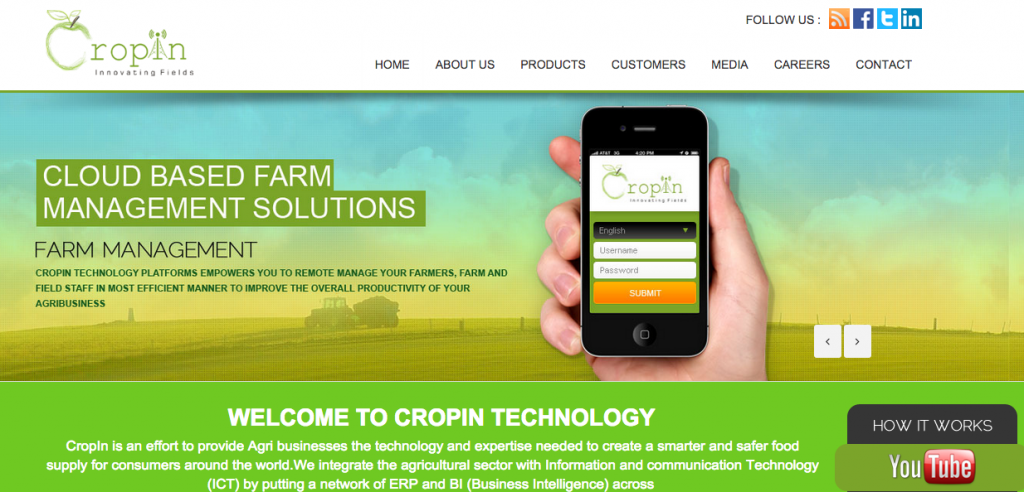
Cropin is our effort to leverage the advances in Information Technology (IT) and apply it on the agribusiness sector. Over the years, we have successfully created an efficient and safer food supply chain for consumers around the world, by putting a network of ERP and BI solutions that different stakeholders of the agriculture supply chain use and update on a regular basis. This has ensured that all participants of the process get visibility of activities in near real time basis – which in turn has ensured superior quality and safety of food for end consumers.
 You started your career with an MNC company. What prompted you to start Cropin? Did your work experience help you after you set up Cropin?
I started to work for GE after my graduation. I was doing very well at my job, I got recognized for coming up with new solutions that had market impact. To groom me further, GE put me on a very niche leadership training program that spanned over 2 years – which provided me well rounded skills related to new business development, financials etc. These aspects helped me get equipped with the basic skills needed to manage businesses across the lifecycle.
While this was going on, some developments about farmers suicide and people throwing tomatoes on the road for lack of viable price made me sit up and take notice of their plight. I started to think deeply on if anything could be done to alleviate – even partially, these issues of farmers. I soon realized that information asymmetry caused most of these problems to all stakeholders involved in agriculture. This led to a thought of creating a platform where all key stakeholders – the buyers of produce, farmers and other involved institutions could interact seamlessly and transparently.
Can you describe some of your early experiences as you setup Cropin? What worked, and what did not work?
At the very beginning, the idea I had was to make every farm traceable – and I thought that once this was achieved, all stakeholders interested in that piece of the farm land could easily collaborate. However, after spending 6 months dabbling with this idea – I realized that this business model was not sustainable – primarily because the farmers, who are the key stakeholders in this supply chain simply could not afford to pay us the amounts that were required to sustain the tracking and tracing capabilities of their farms. So, the next logical step was to sell the idea of traceability of farms to companies who procured regularly from farmers. This pivot in our business model really worked, and we were able to provide a host of benefits to not only the buyers (companies), but also to the farmers, in a sustainable way.
Most procurers of agricultural produce are large companies. How did you go about acquiring customers?
You are right, in that we had to sell this idea of traceability of farms to large companies. As we started, we had identified a few farms in the vicinity of Bangalore, from where I had heard these sad stories of farmers’ plight. When we started working there with a few farmers, we noticed that Safal was actively procuring produce from the farmers in that vicinity. So, we approached Safal and offered to help them out. With a lot of coaxing and hard selling, they finally agreed for a free pilot which we ran for about 6 months. These 6 months gave us so much learning and insight about the core issues that every stakeholder faces in the supply chain. Although Safal later did not continue the pilot, nor did they provide us business, they helped us identify the key issues that needed to be solved.
Armed with this knowledge, we slowly started approaching other major procurers. Fieldfresh (a joint venture between Bharti and Belmonte) bought into our story and initially asked us to monitor a very tiny portion of the land that they engaged with. Once we executed beyond their expectations, we increased our business with them by over 20 times their initial order. While we were working with these initial customers, we also got a good push from CNBC Young Turk Program – who made a story on what we were attempting – and this had created some goodwill amongst the CEOs of top companies engaged in this business.
Although going beyond these initial customers was difficult, I was persistent in my attempts to reach out to key decision makers in companies such as Maccain, Mahindra, Kancor, Technico, etc. Over multiple discussions and meetings with them, I was able to convince them that our startup would provide them the value that eluded them hitherto, and that we were competent to understand the nuances of the business that we were in. These efforts resulted in us signing up virtually all the large companies that operate out of India in the food produce procurement space. Of course, as we dealt with each company, we also learned about specific needs that our solution did not cater to – and over time, we were able to make our solution robust and feature rich – without compromising on usability, to cater to these needs.
The other key aspect is that all along, I have been able to get the buy-in of key seed and angel investors who have believed in the capabilities and potential of our team and the solution. This has helped me to scale our operations rapidly from managing 6 acres in 2010 to managing more than 40000 acres by 2013 – across 14 states of our country and now looking to expand our operations in other emerging markets across the world.
Tell us about the key capabilities of your solution that has resulted in such large scale embracement of customers. What are your plans to enhance these capabilities in the future?
I can describe the benefits of usage of our solution in terms of the different stakeholders who use our product. For farmers who grow the produce under a contract to the buyers, the benefit is real time advice from agricultural experts from across the world on any unknown/unforeseen development that hinders their crops. This ensures that they get the assured price for their crops. For buyers and procurement offices of these large companies, our solution helps to plan and forecast their procurement, provides 360 degree view of every detail of status of agricultural produce at any farm land under contract. We provide a variety of alerts that they can track and mitigate risk of fall in output.
The other key USP of our solution is the ease of use of the capabilities. Since our solution is cloud based and is rendered on cell phones, farmers can easily use voice or video to communicate and collaborate with experts to report or to seek input on an issue. They can talk in their local language or better still, upload a picture taken from their cell phone to explain the issue at hand. On the other end, the procurement officials find mobility of the solution a great aid in efficiently managing their tasks. I can confidently state that we are the first ones in the world to provide visibility to the most granular level possible in the agribusiness supply chain thus far.
Looking ahead, we are trying out various experiments to improve different aspects of our tracing capabilities. Our focus always has been to use the cutting edge technology for the benefit of our customers. We are using Big data and analytics to create next generation agriculture practices and inteligent systems which keep learning from the past. In this regard, we are evaluating usage of Google Glass for information capture and reporting capabilities. We are also toying with UAVs to evaluate whether we can map the areas under cultivation more effectively.
All these sound very exciting! For the benefit of fellow product entrepreneurs who are targeting Indian market, tell us three things that you have done right thus far.
First and foremost, identify who in the customer organization is the decision maker on engaging with you. Once you identify the customer stakeholder, engage continuously till closure of the deal. Enterprise customers take a long time to close a deal – so persistence is key.
Second – ensure that your work gets noticed to the right audience and beyond. I spent a good amount of time in marketing our efforts through various channels – television, news magazines and others. We were covered extensively by most coveted programs such as the Times Now News story, CNBC-TV18’s Young Turks, Fortune Magazine and by other leading national business dailies. These activities provided legitimacy and the right visibility and helped us talk to the CXOs of the enterprise companies, who otherwise would have thought twice to engage with a young company such as ours.
Third one is about building a strong core team that will help scale the company. I have been fortunate to have Kunal(Founder) and Jena(Co-Founder) join me in 2011 and 2012 respectively as part of the core team. They complement my efforts and have provided the right ingredients for our company to progress forward. We also have a great set of advisors and investors who we use as a sounding board to validate our moves. All of these, in my mind are the things done right thus far!.



 I have been a software hobbyist, coding and developing software for fun since my school days. I graduated with a Masters in Industrial Engineering from Penn State University, US in 2004 and soon joined our family business. At that time the business was undergoing a transformation and we were trying to set up a custom ERP system to integrate Sales, Purchasing, Inventory and Accounting. I took ownership of the implementation and that experience gave me the first taste of ERP platforms.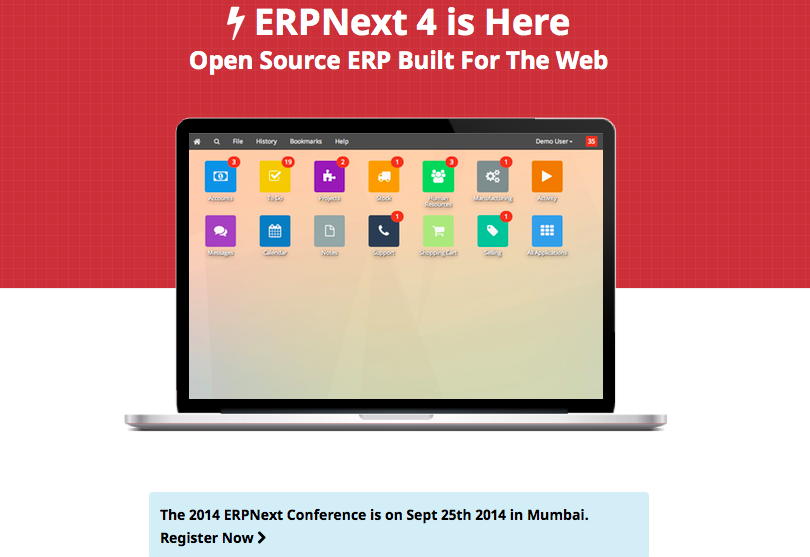






 We started by accident. In my early teens I was an avid self-taught programmer – and honed by skills on Sinclair Spectrums, Commodores, and BBC Micros computers. However, I left this passion to pursue a more traditional Economics-MBA-Banking-Consulting career path…until life came full circle! In 2002, a friend and I were doodling around and we put some developers together to work on different software projects. Because of the dotcom bust the market soon dried up. One of the projects we worked on was for a hotel. That experience got us interested in the space and we ended up developing a product. We created a few prototypes, went out to the market and got some positive early reactions. That gave us the encouragement we needed to continue in the space. In hindsight, I think we selectively saw the data we wanted to support our belief and desire to continue developing the product!
 The test, or the challenge, as we call it, gives us a good understanding of a candidate’s programming proficiency. If they have performed well in the challenge, we know the candidate is good. We then aggregate their coding activities from online sources like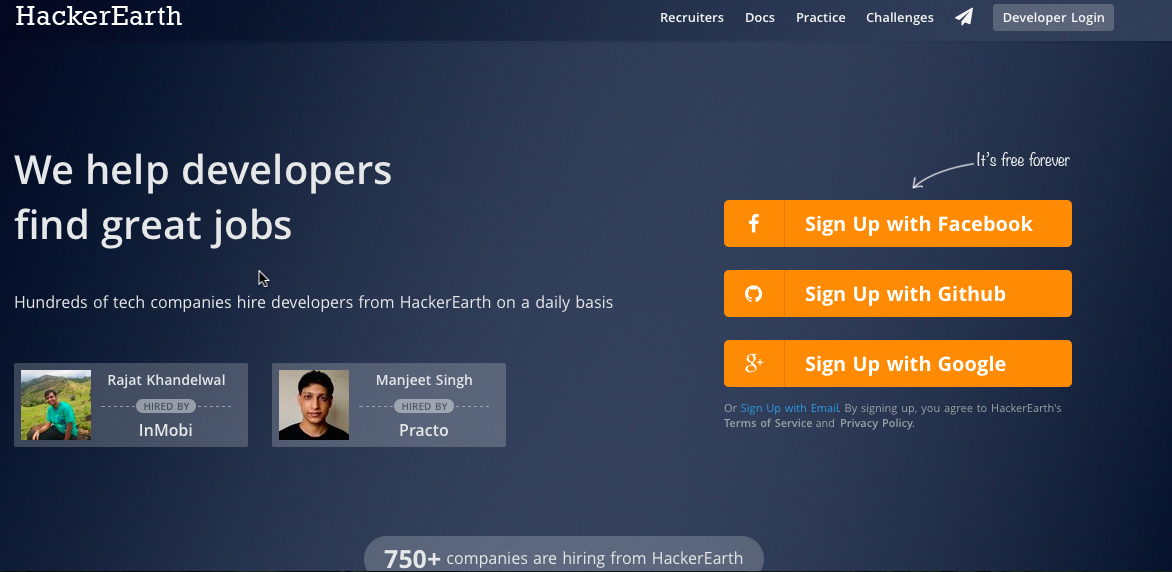
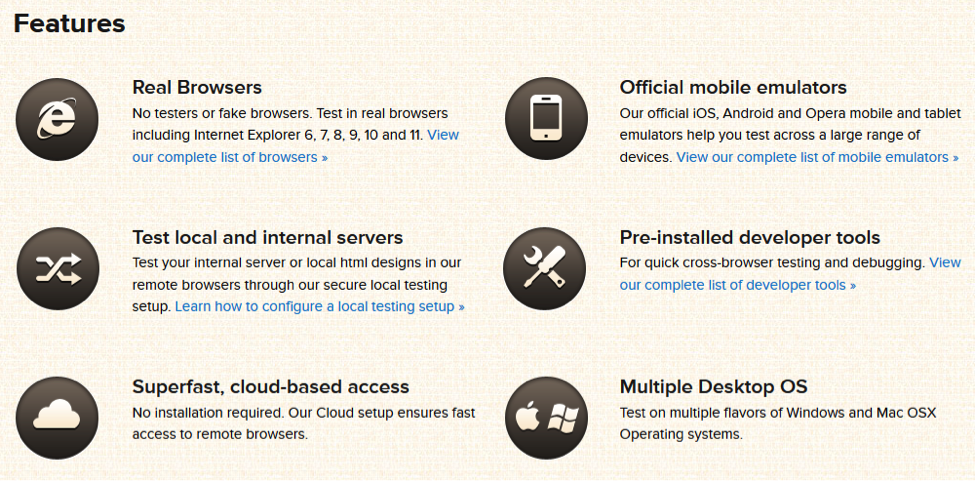
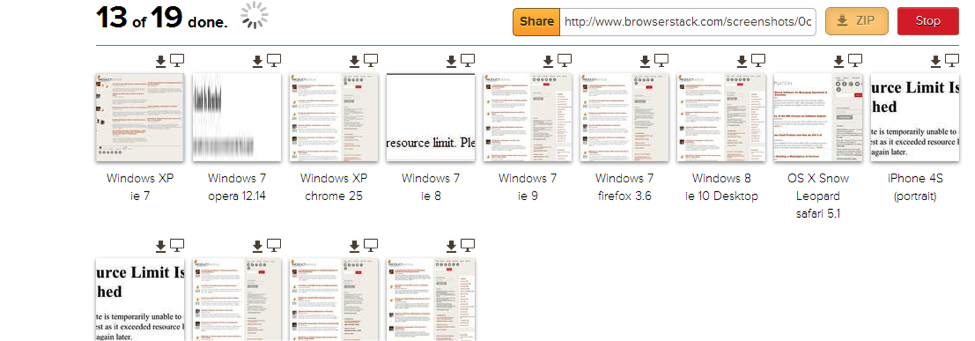
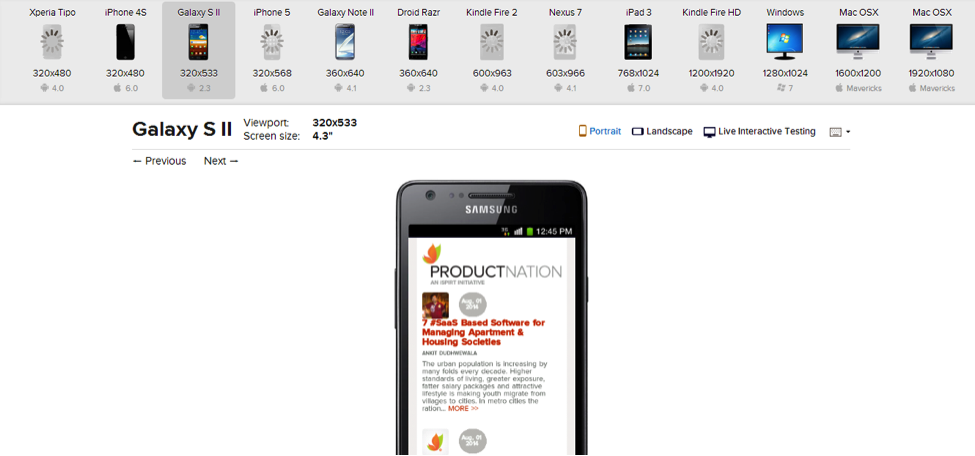
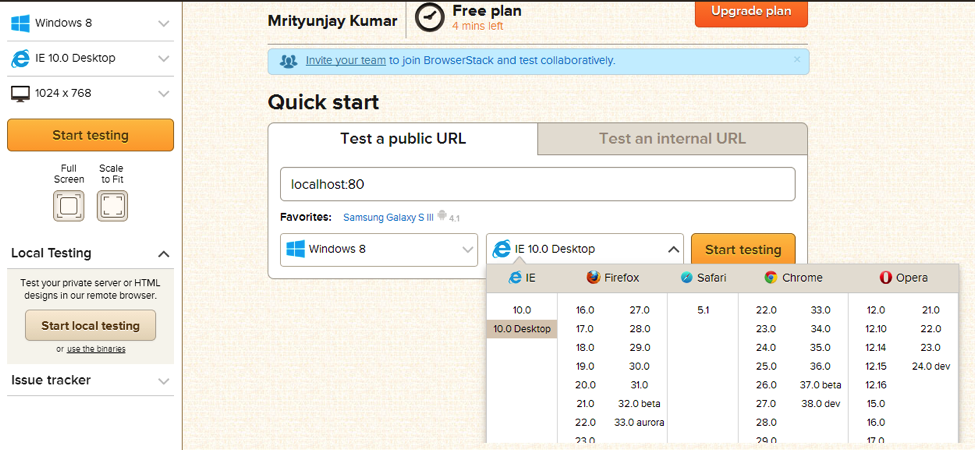
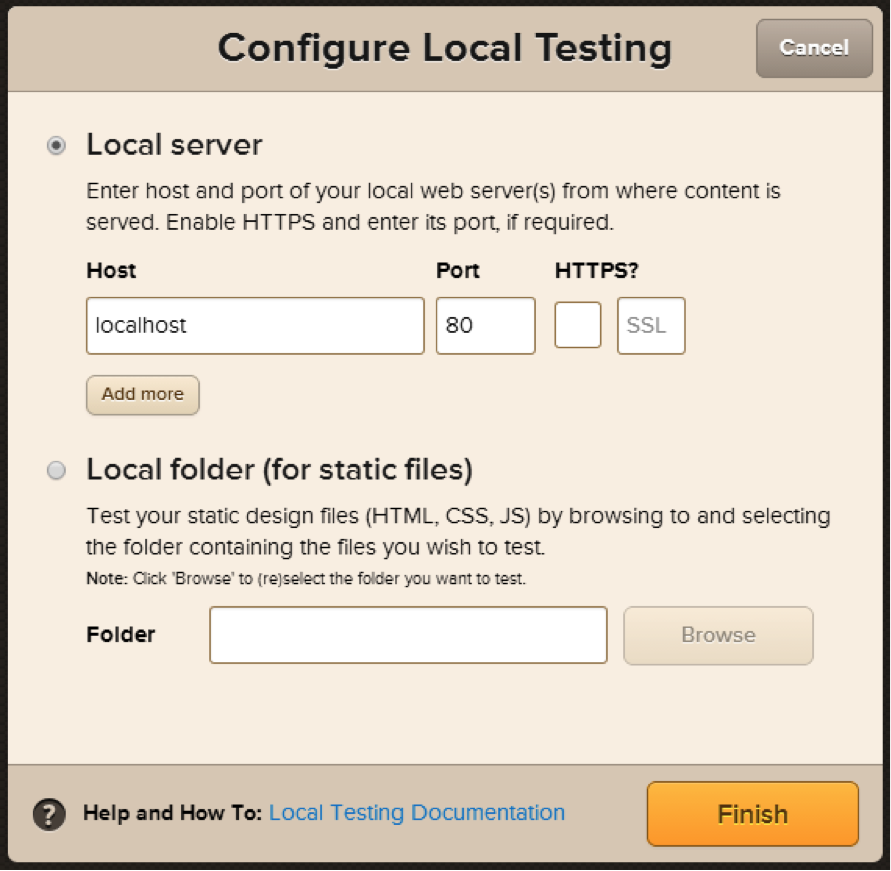
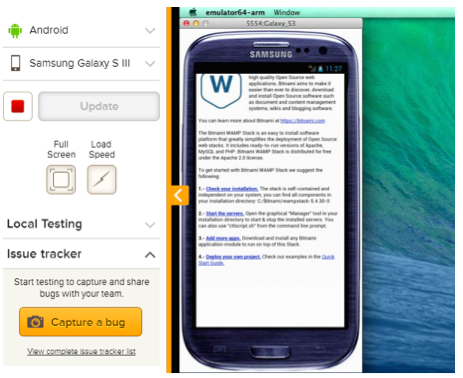
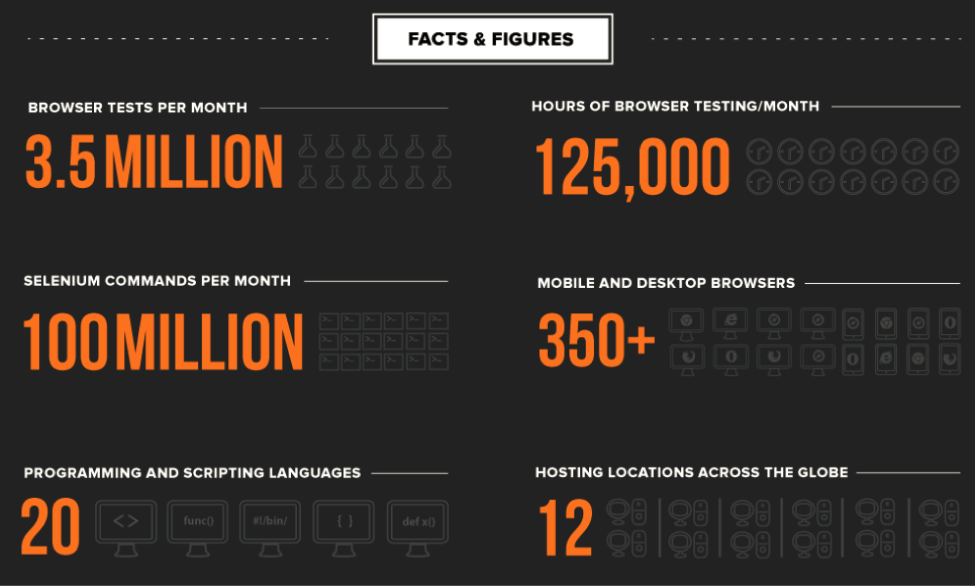
 BrowserStack helps you test your website (internal or public) on 300+ desktop and mobile browsers on different Windows, Mac & mobile OS flavors. It solves the problem of not having to setup and maintain multiple Virtual machines and devices to test your website.
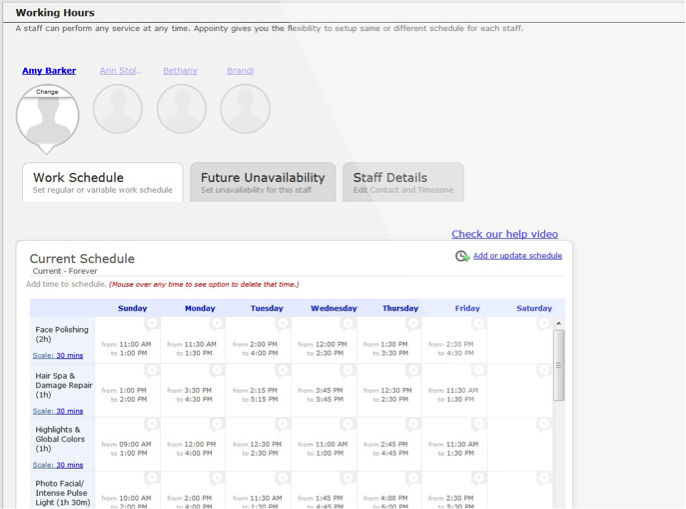
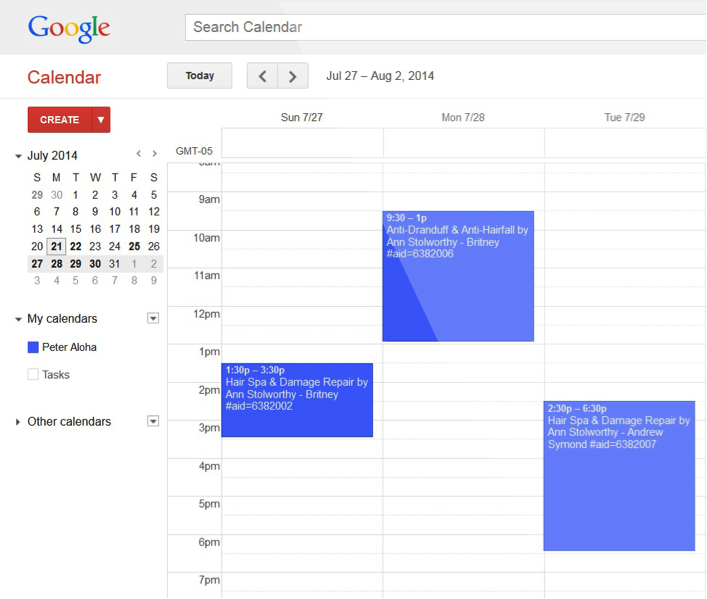
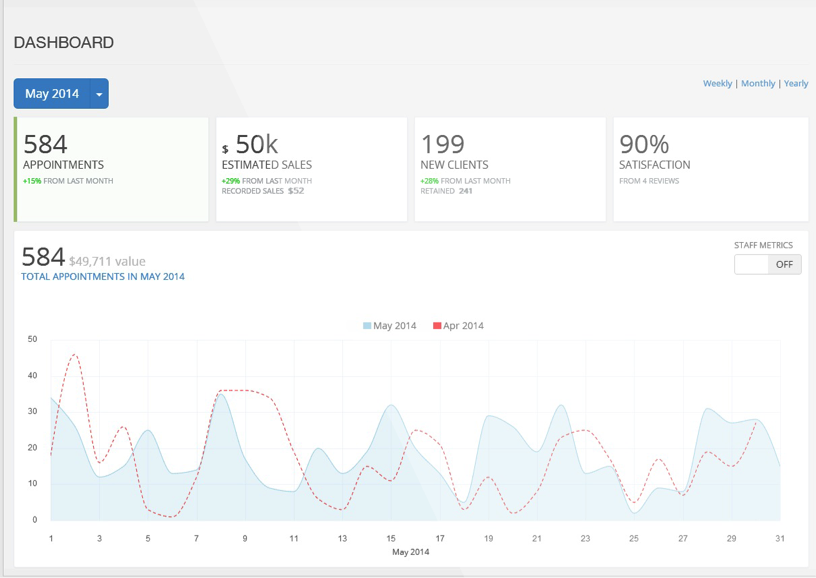
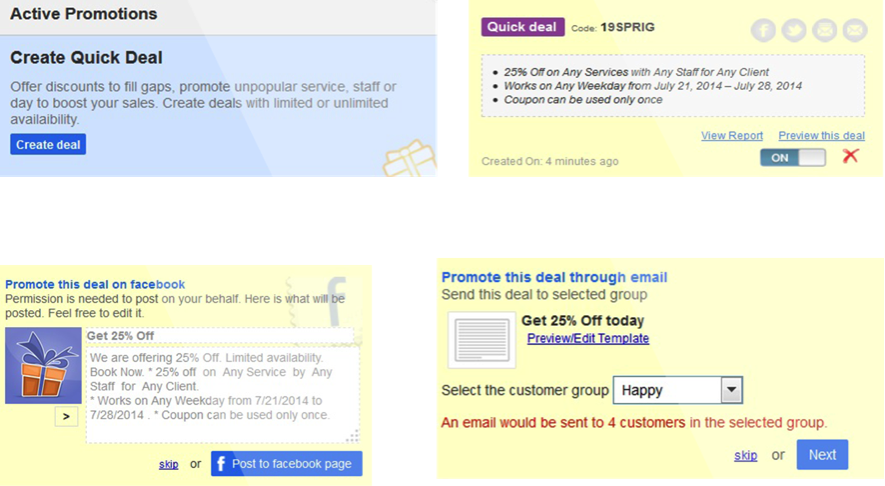
 Appointy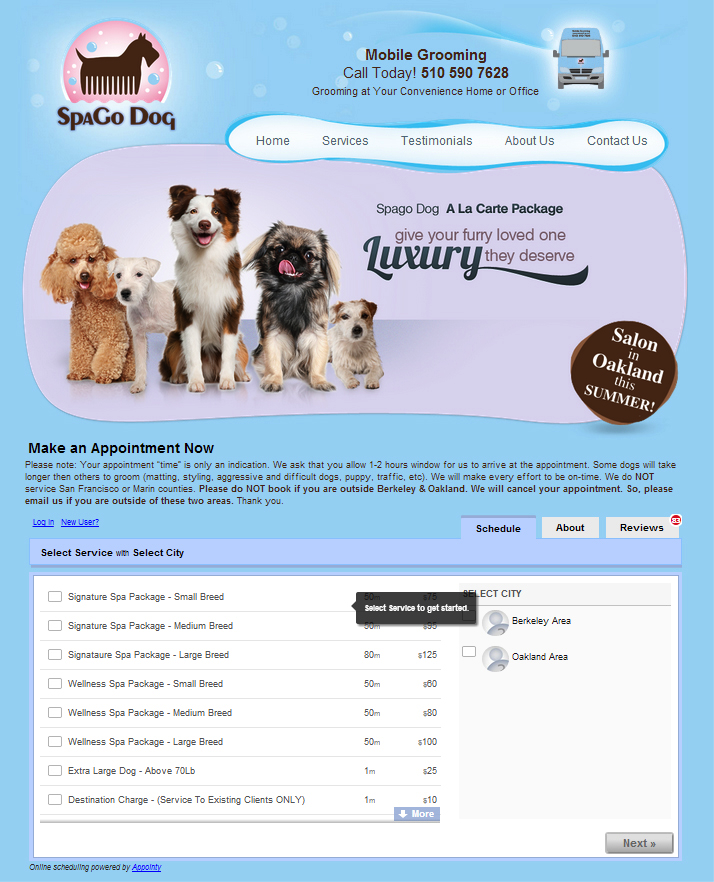
 Wooqer
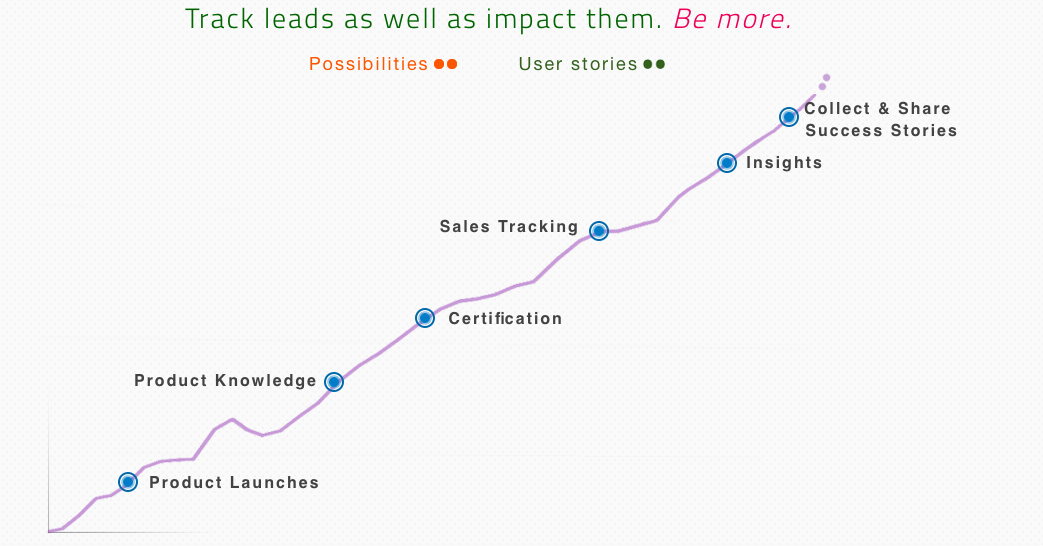
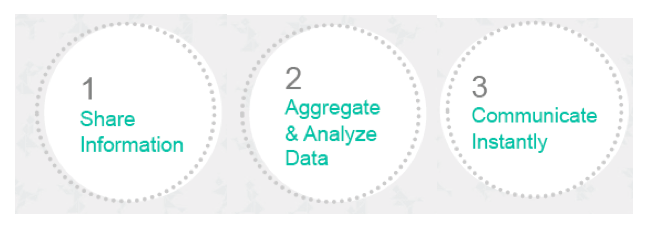
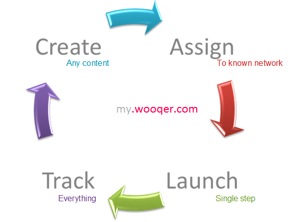 Wooqer’s solution to such class of problems that demand improved employee productivity, is synthesized into this platform comprised of tools that enables integrated, two-way, real-time and measurable content exchange channel between the employee producers and consumers of content in a large corporate setting. It is deployed as a multi-tenant, tenant-isolated, elastic cloud-based SaaS offering (a delivery model but not SaaS as a sales model i.e., direct sales, not self-service). It enables each of the Wooqer’s clients to exchange & track the content between any of their business producer and content consumers using a simple 4-step methodology as shown in the adjacent picture.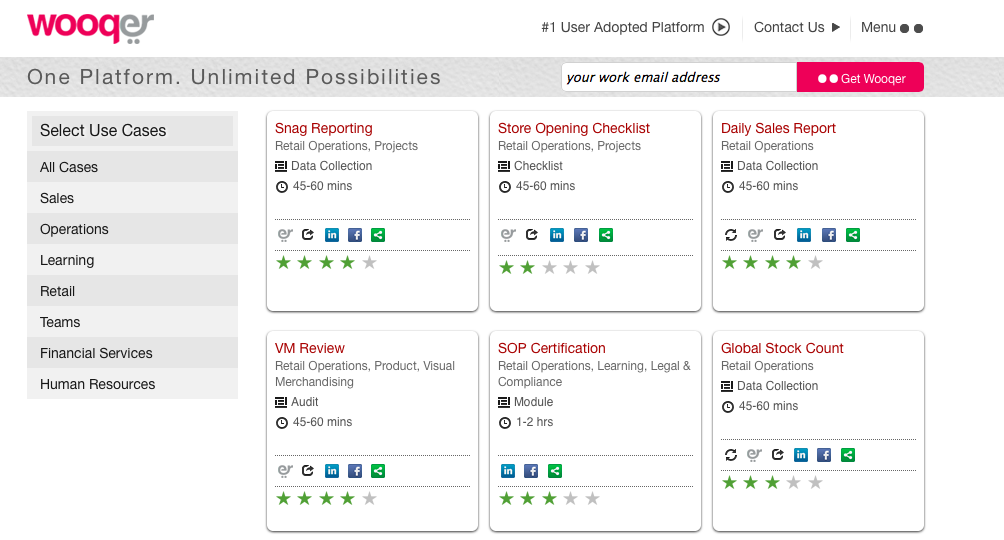
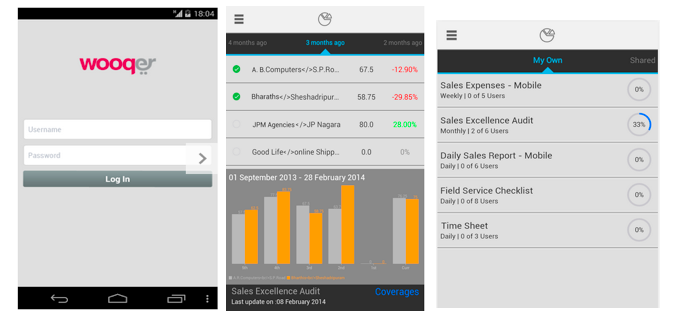
 Business processes are launched with a workflow that is custom-built around the content at the time of publishing. Creating a process to gather data can be as simple as a survey or more involved to collect any kind of business data. Processes to map workflows in real-time exists including canned workflows like Approvals, Reviews, Complaint Management, Audits, Reports. Adding due dates, escalations, milestones, notifications, and conditions like parallel or sequential branching are supported along with maintaining records for posterity. Workflows can be created in a few minutes and kept current, by updating them in a few seconds.
 Other personalization and socialization features include spotlighting a personal document, real time talk and feedback (using SMS, with urgency indicator) in the context of a document or business social context. The product is evolving with the users and sector adoption without customer-specific customization and retaining the platform nature. For instance when the banking sector customers came onboard to use Wooqer, issues such as security, uptime and regulation related features were added that also benefitted the retail segment without additional cost or upgrade burden. As they foray into addition sectors (emerging, industrial) and geographies(US, UK), the team seems confident in their ability to sustain a vibrant roadmap with “dip-in, dip-out” product management focus to zoom in and out to see the big picture without loosing the details of a requirement or feature.
 Customer and industry testimonials for Wooqer are very positive especially from the likes of Retail Association of India, in academic publications (IIMB case study that is currently a Harvard Business Case, SHRM paper on “Solving emerging HR challenges – The Wooqer Way”) as well as in commercial press. Impact they have created in their areas of focus is also worth noting.
 The idea of Zepo.in came as a result of some challenges I faced during my previous stints of managing a T-shirt business and a startup. In particular, while I was running the T-shirt business, I realized how difficult it was for small businesses like us to get online and sell to the Indian market. We got fooled by a web developer who charged us a bomb and came up with a crappy website, we had to shell out huge percentage of our sales to payment gateways, and we did not have the right logistics support to help us deliver our products to our customers on time, to name a few.
 Sure. I think there have been lots of good things that have happened since we decided to start Zepo.in. The first thing that comes to my mind is that, before even we formally started off our operations, we had 6 customers who had already given us post dated cheques – just by listening to what we were building. This gave us validation from the customer end – also helped us to tweak our offering better based on the initial set of feedback.
 As cloud based platform for online collaboration, communication & feedback platform Pune based startup
  Online collaboration is a method that gives the ease of access to work together with your team online simultaneously. Over the last few years, online collaboration has got a few adjustments done and all we can say, yes, it is better than ever. The World Wide Web has exploded with information, there are new ideas created, implemented, and trashed every day. Restricting yourself to one idea at one location is not doing justice to the race of technology. This is where online collaboration tool comes into play. If you have the right tools, using the technology to your advantage becomes even easier. Co-founded by BITS Pilani alumni
  Frambench is currently focused on expanding their paid user base and making it popular amongst lawyers, architects, consultants and other professional groups with attractive pricing structure and options. This they believe can be achieved via strategic partnership with various large players across the globe. The team is also exploring series of fund raising with well-known venture capitalists in India and the United States.