

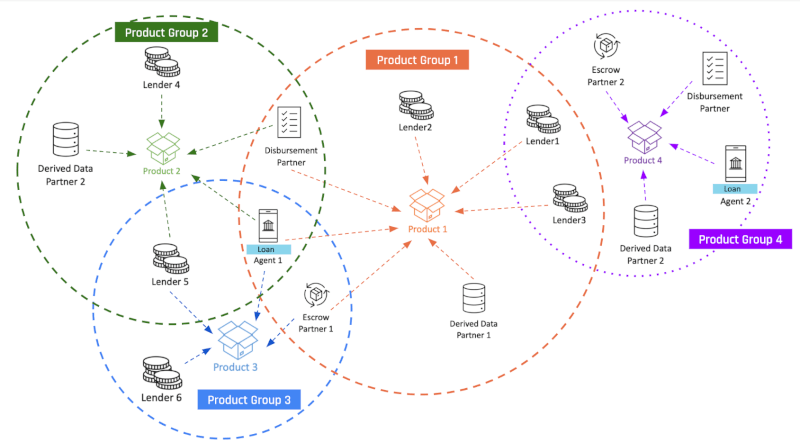
OCEN is an initiative to unbundle lending and enable the creation of specialized entities, each specialized at one part of the job. Therefore, we envision the future of lending to be a partnership between multiple firms individually focused on sourcing/distribution, identity verification, underwriting, capital arrangement, recollections, etc. The entities like marketplaces who have high business-connect …
Unlocking Growth: The Power of Cash Flow Lending for MSMEs | Expert Insights with Dr. Ravi Modani
In this recent OpenHouse, Sagar Parikh discusses with Dr Ravi Modani how democratizing credit through short-tenor and small-ticket loans can help finance Indian MSMEs, 99% of which are micro-enterprises. Dr Modani shares his insights and invaluable guidance to navigate the complex world of B2B financing for MSMEs. He also delves deep into the challenges faced …
Interim Budget 2024 – DPI’s the new factor of productivity
This being an interim budget, much was not expected as far as new announcements and taxation changes. However, for iSPIRT and the Product ecosystem of the country, it is heartening to know that some of our initiatives and thoughts as a ‘think-tank’ have become central to thinking of Government at the leadership level. The following …
Continue reading “Interim Budget 2024 – DPI’s the new factor of productivity”

Unlocking MSME Growth: Interoperable Networks & FinTech Insights with Bhavik Vasa
In our most recent OpenHouse, we embark on an insightful exploration of the transformative landscape in MSME lending, featuring Bhavik Vasa, the Founder of GetVantage, and Sagar Parikh. The conversation delves into the potential of creating groundbreaking impact through interoperable networks, particularly focusing on OCEN. The discussion navigates the dynamic intersection of finance and technology, …
Continue reading “Unlocking MSME Growth: Interoperable Networks & FinTech Insights with Bhavik Vasa”
Role of Intermediaries & FinTech in MSME lending ecosystem: A conversation with Lizzie Chapman
Intermediaries and Fintechs have played an important role in the lending ecosystem, but the impact is mostly seen in consumer lending and not so much in MSME lending, especially for unsecured, small ticket and short duration loans. What are the missing pieces in the lending process for which advanced tech and a mindset shift can …

Open House on DPI for AI #4: Why India is best suited to be the breeding ground for AI innovation!
This is the 4th blog in a series of blogs describing and signifying the importance of DPI for AI, a privacy-preserving techno-legal framework for AI data collaboration. Readers are encouraged to first go over the earlier blogs for better understanding and continuity. We are at the cusp of history with regard to how AI advancements …

Open House on DEPA Training #3: The Regulatory and Legal Aspects
This is the third in a series of blogs describing the structure and importance of Digital Public Infrastructure for Artificial Intelligence (DPI for AI), a privacy-preserving techno-legal framework for data and AI model building collaborations. Readers are encouraged to go over the first and second blogs for better understanding and continuity. Open House on DEPA Training …
Continue reading “Open House on DEPA Training #3: The Regulatory and Legal Aspects”
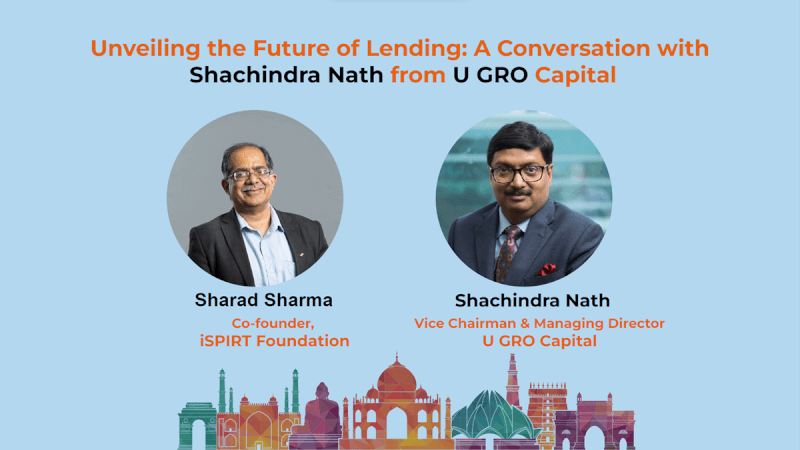
Unveiling the Future of Lending: A Conversation with Shachindra Nath from UGro Capital
In an era of evolving financial landscapes, the realm of lending is witnessing a significant shift—from the traditional collateral-based approach to the more contemporary cash flow lending model facilitated by OCEN (Open Credit Enablement Network). Recently, we hosted UGro Capital in an insightful conversation with Shachindra Nath, shedding light on this transformative paradigm in lending …
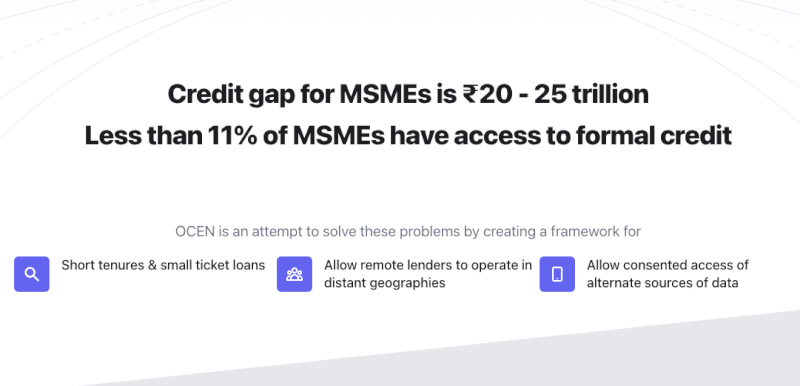
Beyond the clutter: How OCEN is unlocking MSME credit market in India
Introduction OCEN plays a pivotal role in revolutionising MSME lending in India. This innovative open network is specifically designed to serve those new to credit, employing an omni-channel approach that democratises and simplifies access to lending. Currently, the market lacks a scalable and profitable model for short-term, low-value MSME loans – a significant gap that …
Continue reading “Beyond the clutter: How OCEN is unlocking MSME credit market in India”
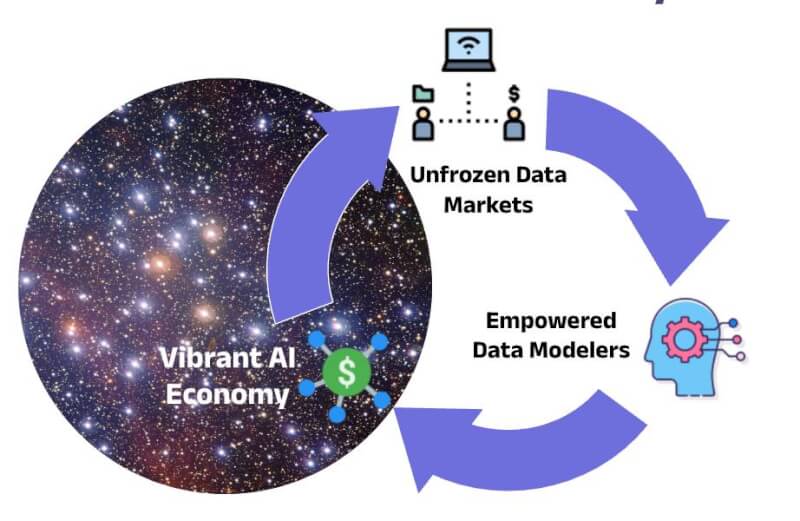
Open House on DEPA Training #2: DPI to Unfreeze Data Markets. Let’s Make India an AI Nation!
This is the 2nd blog in a series of blogs describing and signifying the importance of DPI for AI, a privacy-preserving techno-legal framework for AI data collaboration. Readers are encouraged to first go over the 1st blog for better understanding and continuity. What is unique about the techno-legal framework in DPI for AI is that …
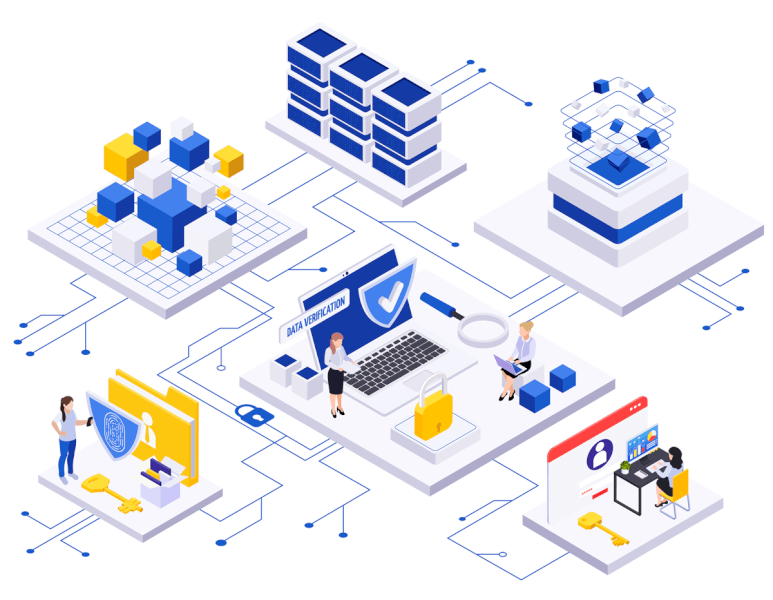
Introducing DEPA for Training: DPI for Responsible AI
In the last decade, we’ve seen an extraordinary explosion in the volume of data that we, as a species, generate. The possibilities that this data-driven era unlocks are mind-boggling. Large language models, trained on vast datasets, are already capable of performing a wide array of tasks, from text completion to image generation and understanding. The …
Continue reading “Introducing DEPA for Training: DPI for Responsible AI”
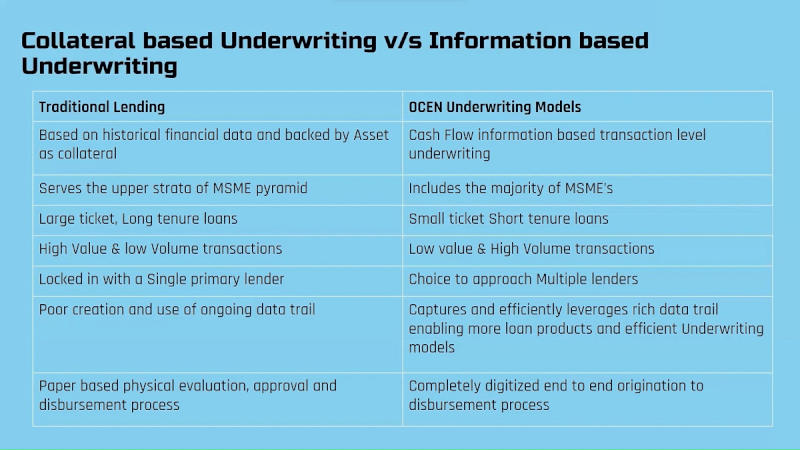
OCEN 4.0 : Intro to Lenders Openhouse #11
📢Calling all lenders to understand how a short tenor loan can become both an effective and profitable business opportunity under OCEN 4.0. 🔑📈 If you are a lender looking for the next big opportunity in lending to the thousands of MSMEs currently unable to access loans, then don’t miss this introduction to OCEN 4.0. 💡 …
Continue reading “OCEN 4.0 : Intro to Lenders Openhouse #11”
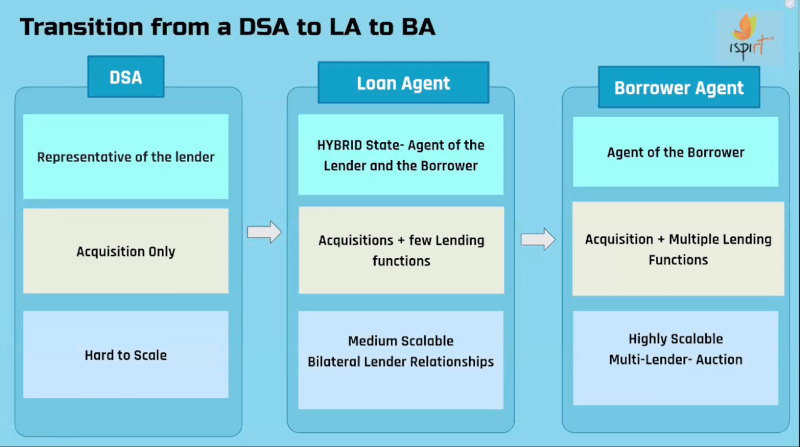
OCEN 4.0: Intro to Borrowers Agent Openhouse 10
📢Calling all loan agents keen to understand the OCEN 4.0 business opportunity. 🔑📈 OCEN 4.0 introduces a new and powerful role – the Borrowers Agent(BA). If you are looking to play a pivotal role in the MSME lending ecosystem without lending from your own balance sheet, this new role of a BA may be what …
Continue reading “OCEN 4.0: Intro to Borrowers Agent Openhouse 10”
OCEN 4.0 : Tech deep-dive Openhouse #9
📢👷🧑💻Calling all TSPs and participants eager to dive into OCEN 4.0 APIs. If you are wanting to understand the tech, the APIs and get started on building for OCEN 4.0, our second open house on OCEN 4.0 is here for you !! 💡 In this session, we do a deep-dive on the architecture, the loan …
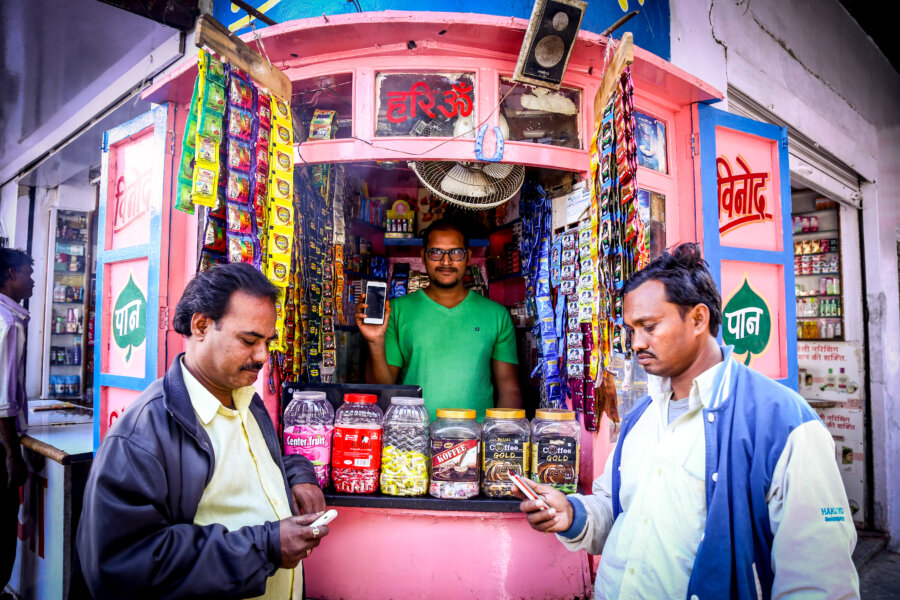
Bridging the Connectivity Gap: Unraveling the Challenges and Solutions for PM-WANI
The Pradhan Mantri Wifi Access Network Interface (PM WANI) was launched in December 2020. It received a great initial reception, but the enthusiasm died over time. Several reasons have been cited, including a lack of a vibrant ecosystem, lack of profitability, limited business models, etc. In addition, a belief also crept up over time that …